Aluminum processing with vhf milling machines and vhf tools

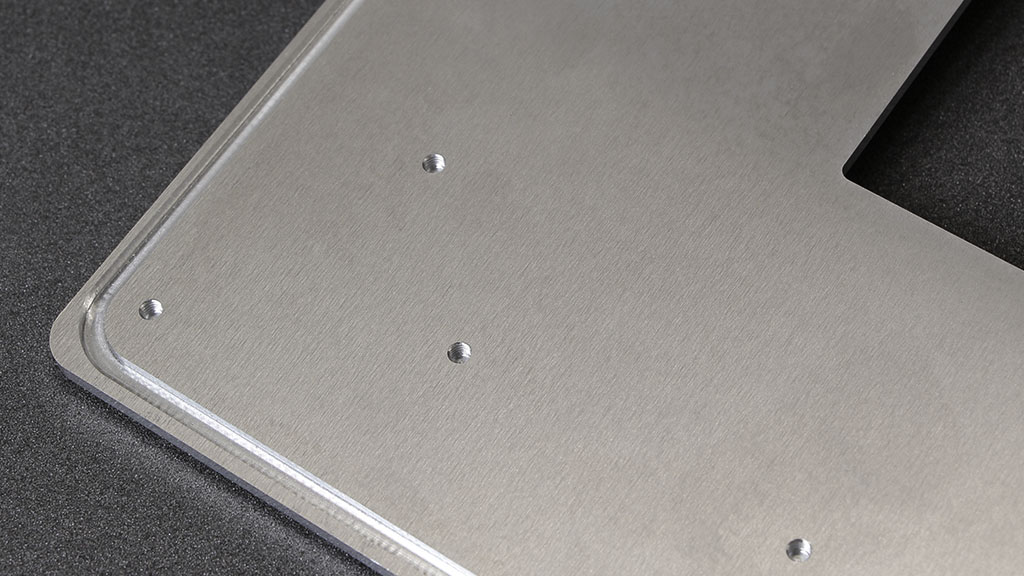
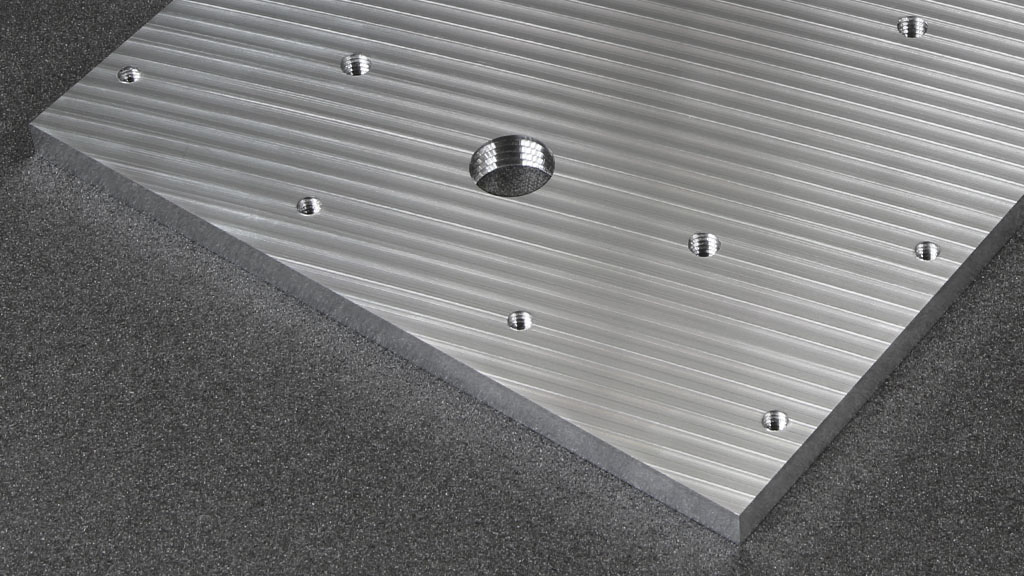
vhf milling machines are excellent for the machining of non-ferrous metals such as aluminum. The portal machines for aluminum milling offer a wealth of possibilities, from plate processing through sample manufacturing right up to serial production. On this page you’ll find tips and application examples to help you with aluminum processing.

Light-weight, robust, and easily machined, aluminum is the ideal material for the majority of technical applications. The application spectrum for aluminum machining is as multifaceted as the material itself. Our modern vhf machines enable you to realize sophisticated workpieces and obtain perfect results.
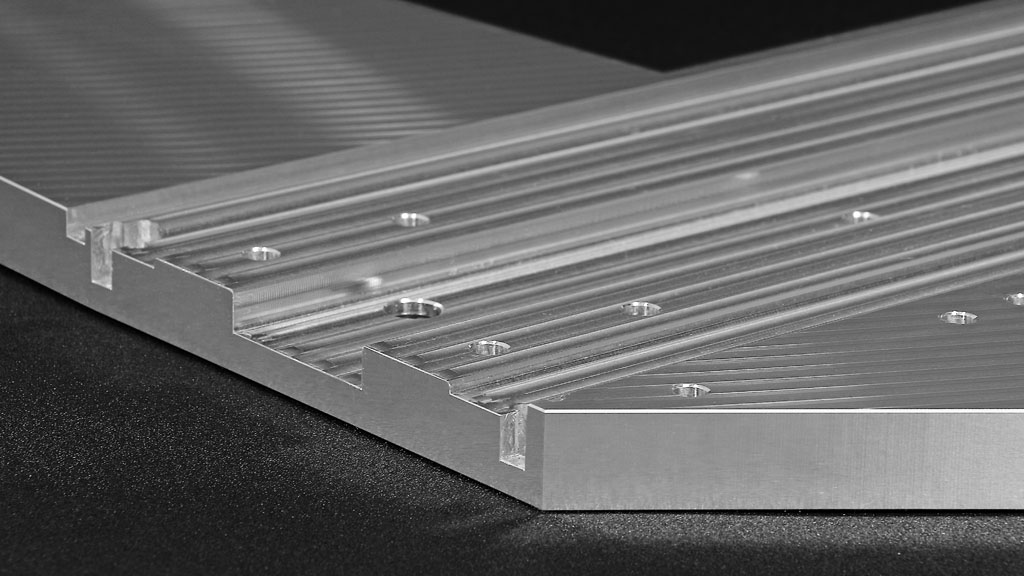
Manufacture these aluminum workpieces quickly and precisely

The perfect lines of vhf machines for aluminum processing

Milling aluminum has never been easier than with a vhf milling machine! Select the perfect addition for your production operations from our machine portfolio.

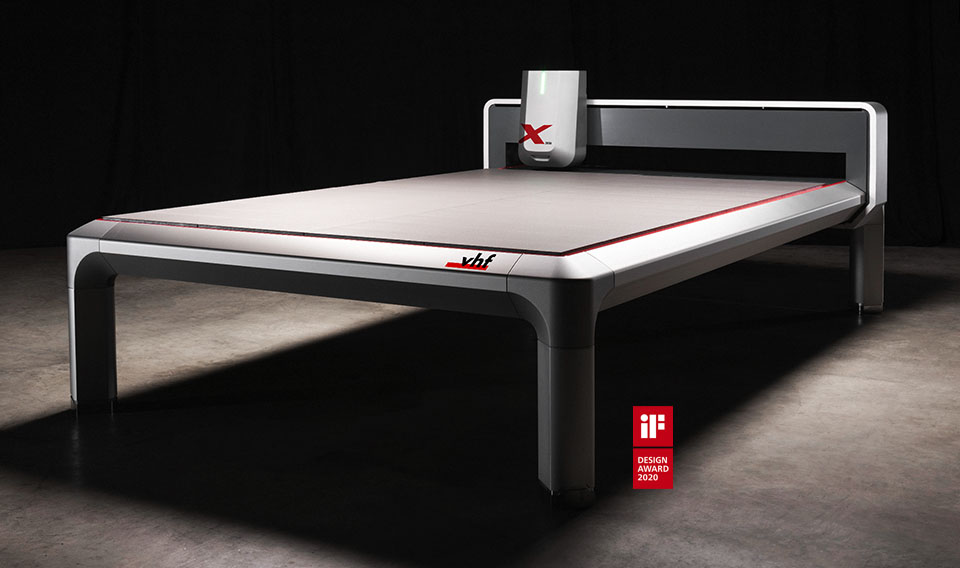
X

Perfect for the machining of aluminum plates of up to 2 x 3 meters. X is a high-end milling machine which stands out by virtue of powerful drives and comfortable features: innovation and high tech in its purest form.

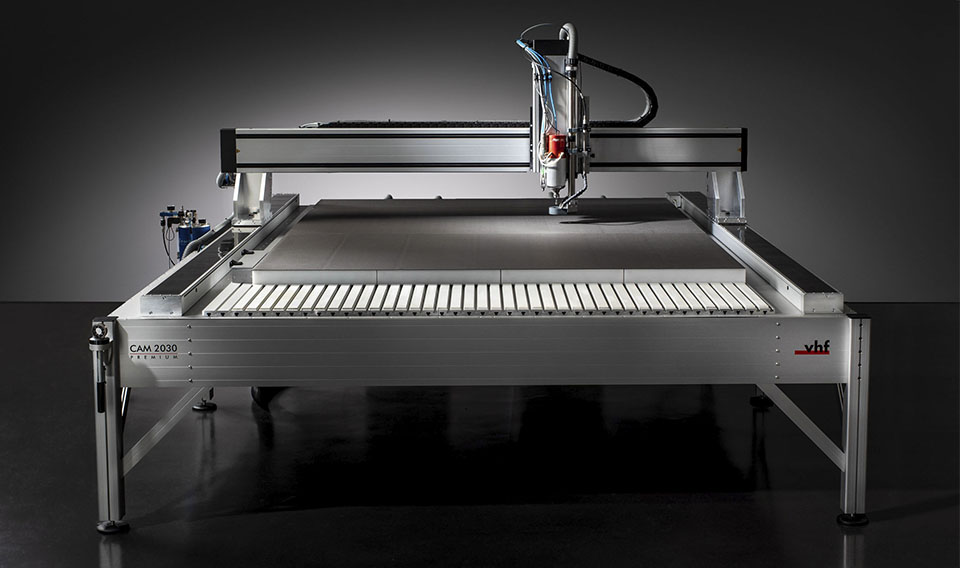
Premium

The machine is suitable for industrial aluminum processing, especially for the milling of aluminum casings and profiles. The vhf Premium is right at home in the industrial environment: robust, precise, and dependable.

Active Pro

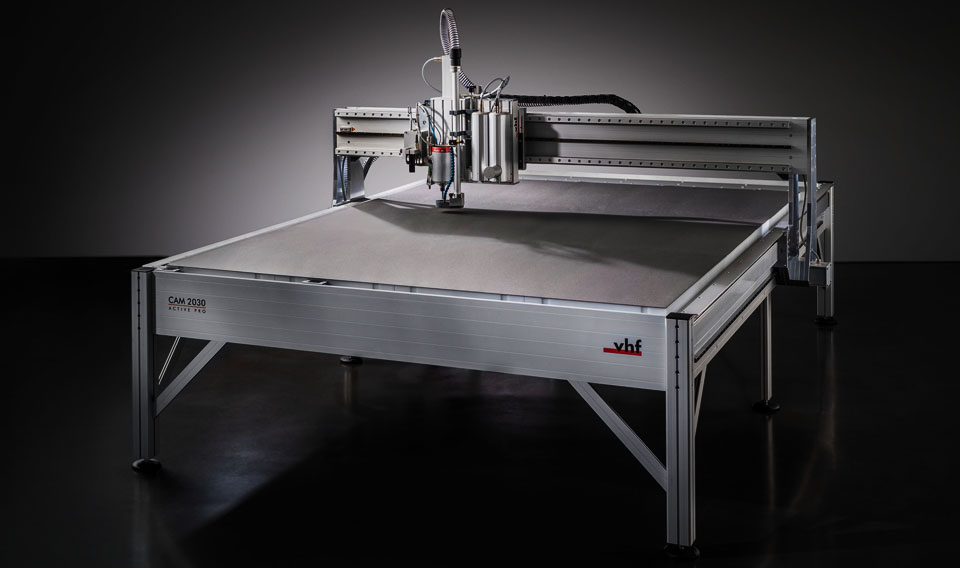
The multi-talent for plate processing, also for aluminum. The Active Pro is configurable in different sizes – a genuine all-rounder with great price-performance ratio and plenty of flexibility.

Milling aluminum plates and sheets

vhf’s CNC milling machines allow for the straightforward machining and milling of multiple workpieces from a single aluminum plate or sheet, amongst other things. This lets you cut out large numbers of small parts from a single, large aluminum plate.

This approach is highly efficient: almost no preparatory work needed – just place the aluminum plate on the vacuum table and remove the finished workpieces when the job is done. As an alternative, you can fabricate large-sized parts which can be manufactured from smaller aluminum segments only with great difficulty, if at all.

Thanks to the powerful vacuum table equipping vhf’s milling machines, there is no need to worry about how you’re going to fix your workpieces – fixing is done very comfortably and safely.

We will be happy to advise you!

FAQ aluminum processing

What should be kept in mind when it comes to the milling strategy?

Cooling and extraction – yes or no?

We recommend in-process cooling for the majority of aluminum alloys. This will ensure a longer service life, i.e., the lifetime of your tools, and it improves workpiece edge quality. Combining the cooling unit with our efficient extraction system is an even smarter approach, as it amalgamates the benefits of cooling with those of efficient extraction. This means significantly reduced cleaning requirements and better milling results.

Should you include a finishing step?

A finishing step should definitely be considered because it optimizes edge quality. In most cases, excellent results will be achieved with a removal rate of approx. 0.1 – 0.2 mm.

What milling parameters make the most sense?

The choice of feed rate, speed and material removal depends on different factors. Some parameters are dictated by the machine and the milling spindle that you use. The material, material thickness, and tool diameter have an impact, too.
Cooling/lubrication and/or extraction are all issues that need to be taken into account as well. Therefore, we won’t give any statistical values here. Instead, we offer tool consultation services through our competent tool sales department – quick and individual.

Chamfering and/or deburring: yes or no?

When using a suitable and sharp tool, the right milling strategy and especially after a finishing step, workpieces typically have such a good edge quality that chamfering/deburring is not necessary. However, since chamfering also enhances the visual aspect of the workpiece, you can decide individually with a view to your specific application. What is more, deburring sharp aluminum edges helps to minimize the risk of injury.

How to best fix aluminum plates?

The most efficient way is to clamp down aluminum plates with the vhf vacuum table. This fixes the aluminum plate tension-free to the milling machine with the help of vhf’s vacuum technology. It lets you mill inline and outline contours without any problems, with very little set-up work to be done.

Do you know the vhf extraction system for aluminum processing?

Milling aluminum is problematic in that common extraction systems are not approved, and aluminum chips may impact the quality of the finished product.

Using the vhf extraction system for aluminum processing combines the benefits of a liquid cooling system with those of an extraction feature, providing visibly high-quality and clean results.

Which tools are best suited for aluminum processing?

Benefit from our individual tool consulting service, including parameter guidance.

Or get a first overview here:

Single or multi-tooth milling cutter?

You should preferably use single-tooth cutters for your aluminum milling operations. Thanks to the large flute, chips can be removed much more easily and quickly than would be possible with the significantly narrower flutes of a multi-tooth milling cutter. Especially for working aluminum, we recommend the single-tooth cutter with hawk beak, which has a bevel and geometry specifically designed for aluminum machining.

Coated tools – yes or no?

The advantage of coated tools lies in the substantially longer service life. Coated tools are the reasonable choice especially for serial production and/or long operating times.

Which tools are suitable for chamfering/deburring?

There are different tools at your disposal for chamfering your aluminum workpiece, depending on the desired angle to be achieved on the workpiece. A 45° chamfer is desired in many cases. This can be achieved with a 90° tool. You can use our deburrers or engraving cutters (point angle 15° to 90°) for this purpose.

Special applications: threads, counterbores, engravings

vhf develops and manufactures its own tools – meaning they are perfectly capable of doing the job they are designed for, e.g., aluminum machining. We have the right tool for aluminum machining or engraving in any application:

  • Thread
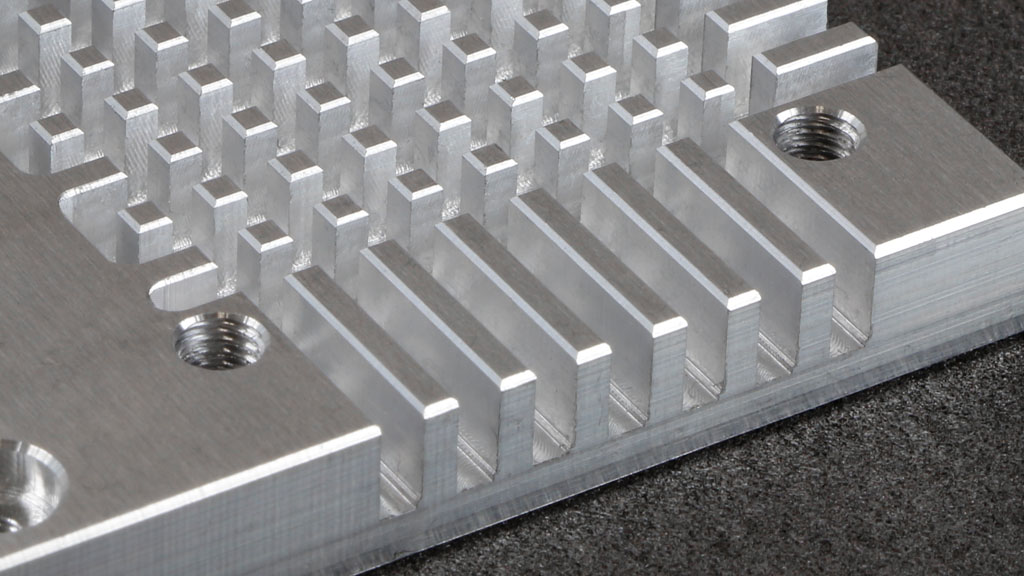
    A typical aluminum machining application is thread manufacturing. We recommend our whirling cutter, which is available for the thread sizes M1 – M10. Alternatively, you can also use the circular thread cutter which can cut threads up to M16, as well as metric cable glands.
  • Counterbores
    Counterbores can be produced with vhf machines even with a single-tooth milling cutter, if the right milling strategy is used. Alternatively, you can also use 90° gravers, deburrers or countersinks.
  • Engravings
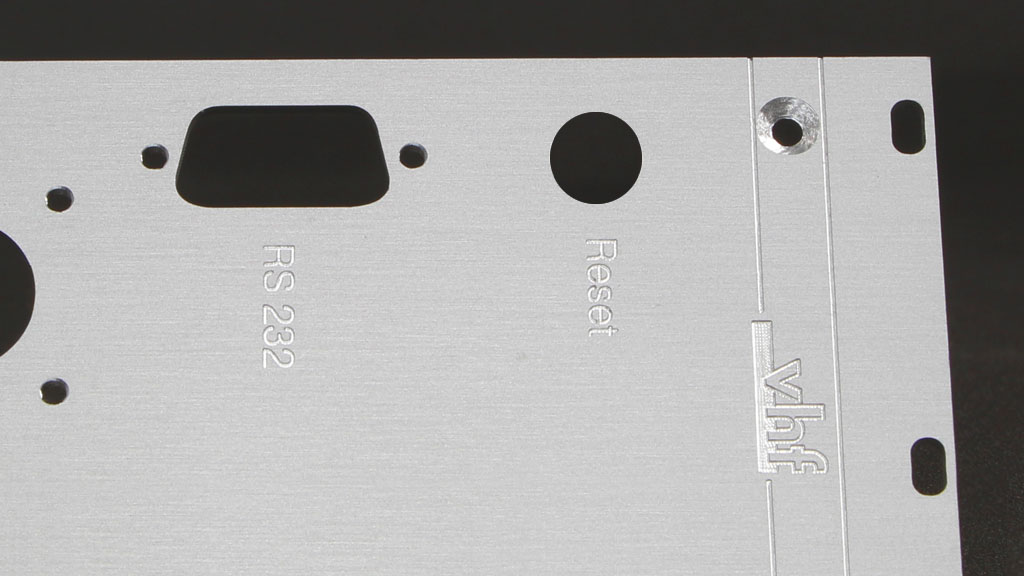
    With engraving widths from 0.1 to 1.0 mm and top angles from 15° to 90°, vhf gravers offer a wealth of different tools. Depending on whether you want a fine, subtle or a deep, high-visibility engraving.

Find the right tool for your aluminum machining application

MaterialApplicationvhf tool
AluminumMillingSingle tooth cutters with hawk beak
Thread productionThread whirling cutters
Engraving
Chamfering
Countersinking
Gravers for aluminium

Stay up to date with the vhf newsletter!